The journey of “The Assassination of Jesse James by the Coward Robert Ford” from a critically acclaimed film to a notable presence on merchandise shelves exemplifies the fascinating evolution of movie memorabilia in contemporary culture. This transformation highlights how cinematic art extends beyond the screen, creating tangible connections for fans and collectors alike.
Initially released in 2007, “The Assassination of Jesse James by the Coward Robert Ford” captivated audiences with its haunting portrayal of one of America’s most infamous outlaws. The film’s atmospheric cinematography, compelling narrative, and powerful performances by Brad Pitt and Casey Affleck garnered widespread acclaim. However, despite its critical success, the movie was not an immediate blockbuster hit at the box office. This factor influenced early merchandising efforts, which remained limited compared to more mainstream Hollywood productions.
In those initial stages, merchandise primarily consisted of niche items tailored for dedicated cinephiles and Western genre enthusiasts. Collectors could find limited-edition posters featuring striking stills from the film or art prints capturing iconic scenes such as Jesse James’ final moments or Robert Ford’s conflicted expressions. These items often came with certificates of authenticity that enhanced their appeal among serious collectors who valued both artistic merit and historical resonance.
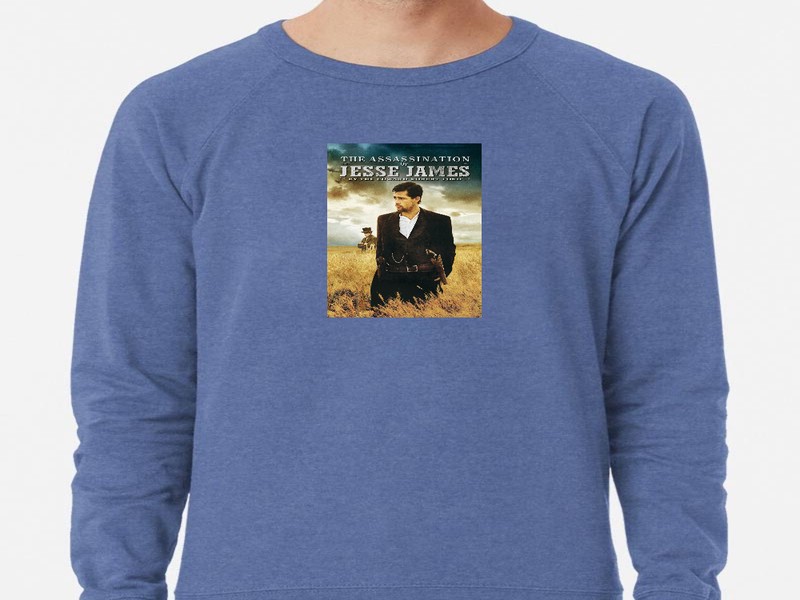
As time passed, interest in “The Assassination of Jesse James” grew steadily through home video releases and streaming platforms. This resurgence sparked renewed demand for related products that extended beyond traditional collectibles into everyday use items. Apparel became a significant category; T-shirts emblazoned with stylized images or quotes from the movie allowed fans to express their admiration publicly while embracing vintage Western aesthetics.
Additionally, specialty goods like handcrafted leather wallets, hats reminiscent of period attire, and replica firearms inspired by props used during filming began appearing on various online marketplaces. These products bridged cinematic storytelling with tangible artifacts that echoed the rugged frontier spirit embodied in the film’s setting.
Another noteworthy development involved collaborations between filmmakers and artisans who crafted bespoke pieces celebrating key themes such as loyalty, betrayal, and legend-making inherent to Jesse James’ story. Limited-run book editions featuring behind-the-scenes insights alongside original screenplay excerpts offered deeper engagement for aficionados eager to explore creative processes behind this evocative work.
Today’s merchandising landscape reflects broader trends where films serve as cultural touchstones inspiring diverse product lines catering to multiple demographics-from casual viewers seeking stylish memorabilia to historians valuing authenticity-driven reproductions. Social media platforms have further amplified visibility around these offerings through fan communities sharing unboxing experiences or styling tips incorporating movie-inspired fashion elements.
Ultimately, merchandise related to “The Assassination Of Jesse James Official Shop Coward Robert Ford” illustrates how cinema transcends passive consumption; it becomes an interactive experience connecting audiences across time through shared symbols and stories preserved not only on screen but also on shelves worldwide. This evolution underscores a dynamic interplay between art and commerce where narrative legacies are continually reimagined within popular culture frameworks long after closing credits roll.