
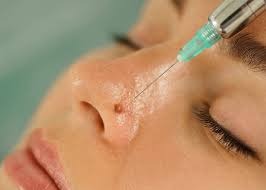
Mole removal is a common dermatological procedure that many people consider for various reasons, ranging from cosmetic preferences to medical necessity. Understanding the best practices for mole removal can ensure that the process is both effective and safe.
Firstly, it is crucial to have any mole evaluated by a qualified dermatologist before considering removal. Moles can sometimes be indicative of skin conditions or even malignancies such as melanoma. A dermatologist can assess whether a mole exhibits signs of irregularity, asymmetry, border irregularities, color changes, or diameter increase—factors commonly associated with potential skin cancer risks. If any suspicious characteristics are identified, further investigation through biopsy might be necessary.
Once a mole has been deemed benign and suitable for removal based on personal preference rather than medical urgency, there are several methods available. The choice of method often depends on the size and location of the mole as well as patient preference and professional recommendation.
One of the most common methods is surgical excision. This involves numbing the area with local anesthesia before cutting out the mole using a scalpel or another precise instrument. This method ensures complete removal and allows for histological examination if needed. Another popular technique is shave excision where only the raised https://moleremovalat.com/warts/body/thighs/ part of the mole is shaved off; this may not require stitches but might leave a small scar.
Laser treatment offers an alternative approach for smaller moles that do not protrude significantly above the skin surface. Lasers use focused light energy to break down pigment cells in moles without cutting into the skin; this option typically results in minimal scarring but may require multiple sessions.
Cryotherapy involves freezing off moles with liquid nitrogen; it’s less invasive but primarily used for non-cancerous superficial lesions due to its inability to penetrate deeply enough to remove all types of moles effectively.
Regardless of which method you choose, post-procedure care plays an essential role in healing properly and minimizing scars. Keeping the wound clean and covered initially helps prevent infection while applying recommended ointments aids in reducing inflammation and promoting faster recovery.
It’s important to avoid sun exposure on treated areas since UV rays can affect pigmentation during healing phases leading potentially darker scars over time; sunscreen application should become routine once initial healing occurs.
Finally yet importantly: self-removal attempts using home remedies like apple cider vinegar or over-the-counter creams are discouraged due their unpredictability concerning effectiveness along with risk factors involving infections plus unwanted scarring outcomes when improperly executed outside professional environments equipped adequately handle such procedures safely under controlled conditions ensuring optimal results every individual case presents uniquely requiring tailored solutions accordingly provided exclusively certified practitioners industry standards uphold consistently across board globally today tomorrow alike always!