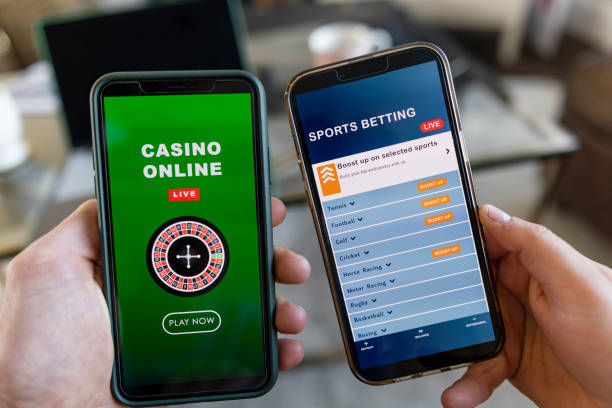

In the rapidly expanding world of online gaming, responsible gaming has become an essential topic for players to understand and embrace. With the convenience of playing from home or on the go, it is easy for individuals to lose track of time and money spent on these platforms. Therefore, being aware of important responsible gaming practices can help maintain a healthy balance between entertainment and well-being.
One of the fundamental aspects of responsible gaming is setting limits before starting to play. This includes determining a budget that one can afford to lose without affecting daily life or financial obligations. Sticking strictly to this budget helps prevent overspending and reduces the risk of developing gambling-related problems. Many reputable online gaming sites provide tools that allow players to set deposit, loss, or wager limits, which serve as effective safeguards against impulsive behavior.
Time management also plays a crucial role in responsible gaming. It’s advisable for players to allocate specific periods dedicated solely to playing games rather than allowing sessions to extend indefinitely. Taking regular breaks during gameplay not only helps maintain focus but also prevents fatigue and stress accumulation. Players should be mindful if they find themselves prioritizing gaming over work, social activities, or family responsibilities-this could signal emerging issues that need addressing.
Another key element is understanding how games operate and recognizing the odds involved. Online games often use random number generators (RNGs) ensuring fairness; however, it’s vital for players to uae online casino real money remember that outcomes are based on chance rather than skill alone in many cases. Educating oneself about game mechanics enables more informed decisions regarding when and how much to bet.
Emotional awareness is equally important when engaging in online gaming activities. Players should avoid chasing losses by increasing bets in hopes of recovering previous deficits-a behavior commonly known as “tilting.” Instead, accepting losses as part of the experience can foster healthier attitudes toward gambling.
For those who suspect their habits may be becoming problematic, seeking support promptly is critical. Numerous organizations offer confidential assistance through helplines, counseling services, and self-exclusion programs where individuals voluntarily restrict access to gambling sites for specified durations.
In conclusion, responsible gaming involves proactive measures such as budgeting finances wisely, managing time effectively, understanding game dynamics thoroughly, maintaining emotional control during play sessions, and reaching out for help if needed. By adopting these practices consistently, online players can enjoy their favorite games safely while minimizing potential negative consequences associated with excessive gambling behaviors.